
"Santos beans"
2000 article(s) found
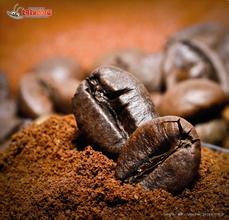
Introduction to the Flavor characteristics of Brazilian Bourbon Rivida Coffee beans, Grinding scale varieties and quality
Brazilian coffee beans the bourbon in the Brazilian bourbon Santos comes from the Bourbon Indian Arabica coffee tree. The island of Bourbon, now known as Reunion, was once a thriving place for Arabica coffee. Arabik coffee trees grown on the island were introduced around the world, and Brazil's Bourbon Santos is their descendant. Santos is from the port of Sandushi, which is a part of the Atlantic Ocean in southeastern Brazil.

A hermit in the coffee kingdom of Brazil.
Origin: Brazilian grade: good granule: relatively full acidity: slight acid uniformity: stable roasting: low to deep flavor: neutral beans, low acid, smooth and round Brazil grows Arabica and Robusta coffee, but mainly Arabica coffee, mostly dried. There are about 3.97 billion coffee trees in Brazil, and the number of people engaged in coffee production is elder brother

The Flavor description treatment of Brazilian Yellow bourbon Coffee Bean Grinding scale Regional varieties
Brazilian yellow bourbon coffee bean flavor description treatment method grinding scale production area variety name: Brazil yellow bourbon Brazil Chacal Estate Yellow Bourbon regulation: 227g raw bean producing country: Brazil: Minas Minas Llicinea manor: waterfall manor species: yellow bourbon grade: 2 d/300gr, 17-18 mesh height: 1200m ~ 1380m

A hermit in Brazil's boutique coffee kingdom.
Origin: Brazilian grade: good granule: relatively full acidity: slight acid uniformity: stable roasting: low to deep flavor: neutral beans, low acid, smooth and round Brazil grows Arabica and Robusta coffee, but mainly Arabica coffee, mostly dried. There are about 3.97 billion coffee trees in Brazil, and the number of people engaged in coffee production is elder brother

Description of the characteristics and Flavor of Brazilian Coffee beans Story Source of Brazilian Coffee production area
Brazil Hilado Coffee Bean characteristic Flavor description Taste treatment Variety producing region Brazil is vividly compared to the giant and monarch of the coffee world. There are about 3.97 billion coffee trees there, and small farmers now grow 75% of Brazil's total coffee production. Brazil produces twice or even three times as many coffee as Colombia, which is the second largest coffee in the world.

Brazilian Conillon Coffee Flavor description Price characteristics taste
Other kinds of Brazilian coffee, such as Rio and Parana, can be produced in large quantities because they do not need too much care. Although they taste rough, they can be regarded as a kind of good and cheap coffee. Because they are distributed all over Brazil and their solid quality varies, they have their own standards (NO.2~NO.8 according to the number of sundries, NO.13~NO.19 according to the size of beans, and six according to taste).
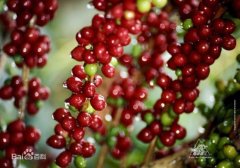
The advantages and disadvantages of growing coffee in Brazil are suitable for coffee-growing countries in Central and South America.
There are many large farms in Brazil, which run endless coffee plantations. They use machines to harvest and dry them. They are so efficient in automation that they regard coffee as a general agricultural material and completely abandon the flavor and flavor. As a result, many select coffee companies simply do not sell Brazilian beans so as not to demean themselves. In select coffee shops, Santos in Brazil still appears occasionally.

Brazilian Coffee Plantation Area Grinding Scale Processing Flavor Description Variety Introduction
Brazil has many large farms, operating endless coffee gardens, they use machine harvesting, and the use of machine drying, automated efficiency is very high, as if coffee as a general agricultural material, completely abandoned flavor and disregard. As a result, many specialty coffee companies simply do not sell Brazilian beans, lest they demean themselves
Brazilian Coffee Manor with faint grassy fragrance introduction to Fine Coffee
Brazilian coffee generally refers to coffee produced in Brazil. There are many kinds of coffee in Brazil. Like other Arabica coffee, Brazilian coffee is called Brazilian coffee Brazils to distinguish it from Milds coffee. The vast majority of Brazilian coffee is unwashed and sun-dried and is classified according to the name of the state of origin and port of transport. Brazil has 21 states and 17 states produce coffee, but among them

Guatemala coffee producing area Vivit Nango small farmers cooperative washed pacamara coffee beans introduction
Professional barista exchanges, please pay attention to coffee workshop (Weixin Official Accounts cafe_style ) coffee information Todos Santos cooperative has 55 different small farmers working together to produce coffee. Todos Santos is a town located at an altitude of 2,400 meters. From Todos Santos, you have to cross a dusty road to reach Tuiboch village.

An introduction to the characteristics of Brazilian coffee boutique coffee bean flavor and taste manor with endless coffee plantations
There are many large farms in Brazil, which run endless coffee plantations. They use machines to harvest and dry them. They are so efficient in automation that they regard coffee as a general agricultural material and completely abandon the flavor and flavor. As a result, many select coffee companies simply do not sell Brazilian beans so as not to demean themselves. In select coffee shops, Santos in Brazil still appears occasionally.
Brazil Santos Coffee
Although Brazil produces 30 to 35 percent of the world's coffee annually, ranking first in the world, no Brazilian bean is considered top-class coffee.

Mild aromas Brazilian coffee Flavor description Treatment characteristics Variety Taste
Coffee production has gradually become a science since the introduction of coffee trees from Guyane française in 1720. Before 1990, the Brazilian government strictly controlled the coffee industry, with both severe interference and price protection measures, and the state has always implemented minimum price protection measures for farmers, resulting in coffee overproduction. Before World War II, surplus stocks amounted to 780
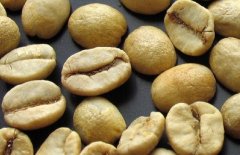
Introduction to Brazilian Coffee Raw Bean
Brazilian coffee raw bean Brazil santos coffee green bean although the annual output of Brazilian coffee reaches 30% to 35% of the world, ranking first in the world, none of the Brazilian beans can be called the top coffee. There are coffee trees all over the mountains, distributed in the south of Brazil, but Santos is the only one that can be put on the table; most of the other beans are handled hastily.
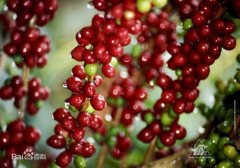
American Fine Coffee Brazilian Santos NO2
Brazilian Santos NO2 is soft, mild and smooth, originating from one of the largest coffee producing areas in the world. Moderate acidity, rich and body , mild ,unique and smooth flavor. If it is small beans (17-18/ 64 inches), the mature beans are even more beautiful, and the taste is better than the soybean seeds (19/64FCS).

The mild taste bud test of Bourbon Santos
Speaking of which, Bourbon Santos is not as bold and expressive as Brazilians, it is mild, sour and lively, and has a refreshing and harmonious flavor, it is one of the most popular coffee in the world. Among the Brazilian coffee, only Sandoz coffee is the most valued by the world. Although people all over the world love coffee, no other country combines coffee with daily life like Brazil.

Coffee type Bourbon Santos Coffee mild taste bud test
Speaking of which, Bourbon Santos is not as bold and expressive as Brazilians, it is mild, sour and lively, and has a refreshing and harmonious flavor, it is one of the most popular coffee in the world. Among the Brazilian coffee, only Sandoz coffee is the most valued by the world. Although people all over the world love coffee, no other country combines coffee with daily life like Brazil.

The output and export of Brazilian coffee beans introduce the classification of coffee taste
Generally speaking, coffee fruit appears red when it is ripe. But the yellow bourbon coffee is yellow. The phrase yellow (yellow: yellow) comes from this. Compared with other coffee trees, the production of yellow bourbon coffee tree is relatively low and its cultivation is very difficult. When the yellow bourbon coffee beans are fully ripe, they will appear bright yellow. The processed roasted coffee beans are dry and sweet, and emit a kind of

The output and export of Brazilian coffee beans introduce the classification of coffee taste
Generally speaking, coffee fruit appears red when it is ripe. But the yellow bourbon coffee is yellow. The phrase yellow (yellow: yellow) comes from this. Compared with other coffee trees, the production of yellow bourbon coffee tree is relatively low and its cultivation is very difficult. When the yellow bourbon coffee beans are fully ripe, they will appear bright yellow. The processed roasted coffee beans are dry and sweet, and emit a kind of

What is the Brazilian Palma Cup? What kind of Brazilian Santos coffee do you have? The characteristics of Santos, Brazil?
Professional coffee knowledge exchange more coffee bean information please follow the coffee workshop (Wechat official account cafe_style) Brazilian coffee is called Brazils to distinguish it from Milds coffee. The vast majority of Brazilian coffee is unwashed and sun-dried and is classified according to the name of the state of origin and the port of transport. Brazil has 21 states and 17 states produce coffee, but four of them produce the most coffee.